
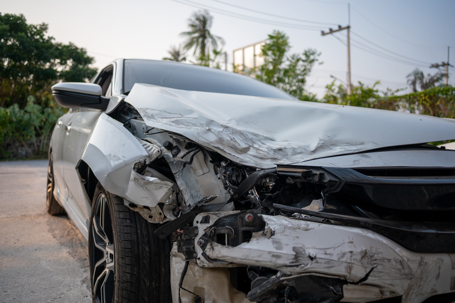
Car accidents can leave drivers with more than just vehicle damage and physical injuries. In many cases, they also lead to frustrating conversations with insurance companies. One of the most common concerns after a crash is being told that you were partially or entirely responsible—even when you believe another driver caused the collision.
If an insurance company tries to shift the blame onto you after a car accident in Daytona Beach, it is important to understand your rights and know how to protect your claim. The steps you take in the days and weeks following a collision can have a significant impact on the outcome of your case.
Why Would an Insurance Company Try to Blame You?
Insurance companies are businesses, and one of their goals is to limit the amount they pay in claims. If an adjuster can argue that you contributed to the crash, they may attempt to reduce or deny the compensation you seek.
This does not necessarily mean the insurance company’s assessment is correct. Initial decisions are often based on limited information, and additional evidence may paint a much clearer picture of what actually happened.
In Florida, fault is determined by evaluating the facts surrounding the collision. Evidence such as police reports, witness statements, photographs, surveillance footage, and vehicle damage may all help determine responsibility.
Even if an insurance company contacts you shortly after the crash, remember that you are not required to accept its version of events without question.
Stay Calm and Avoid Admitting Fault
One of the most important things you can do after any car accident is remain calm when discussing the incident.
It’s natural to want to explain what happened, but statements made immediately after a collision can sometimes be misunderstood or taken out of context. Comments such as “I didn’t see the other car” or “I’m sorry” may later be interpreted as admissions of fault, even if that was never your intention.
When speaking with insurance representatives, provide accurate factual information without guessing or speculating about details you are unsure of.
If you do not know the answer to a question, it is perfectly acceptable to say so.
Gather and Preserve Evidence
Strong evidence often becomes one of the most valuable tools when fault is disputed.
If your injuries allow, consider collecting information at the accident scene, including:
- Photos of vehicle damage
- Pictures of skid marks, traffic signals, road conditions, and debris
- Contact information for witnesses
- The other driver’s insurance and vehicle information
If you are unable to gather this information yourself because of your injuries, a family member or attorney may later be able to help obtain additional evidence.
It is also important to keep copies of medical records, repair estimates, receipts, and any correspondence with insurance companies.
The more documentation available, the easier it may be to establish what occurred.
Seek Medical Attention Promptly
Some injuries are immediately noticeable, while others develop hours or even days after a crash.
Prompt medical treatment helps protect your health, but it can also create documentation connecting your injuries to the collision.
Delaying treatment may give an insurance company an opportunity to argue that your injuries were unrelated or not as serious as claimed.
Even if you believe your injuries are minor, it is often wise to follow a healthcare provider’s recommendations and attend any necessary follow-up appointments.
Be Careful When Speaking With Insurance Adjusters
Insurance adjusters frequently contact accident victims shortly after a crash.
Although these conversations may seem informal, adjusters are gathering information that could later be used during the claims process.
Before providing a recorded statement or signing documents, make sure you understand what is being requested.
If an adjuster pressures you to accept blame, settle quickly, or provide information that makes you uncomfortable, you do not have to make immediate decisions.
Taking time to understand your legal options may help you avoid unintentionally weakening your claim.
Understand Florida’s Comparative Fault Rules
Florida follows a modified comparative negligence system for most personal injury claims.
This means responsibility for a crash may be shared between multiple parties, depending on the circumstances. If evidence shows more than one driver contributed to the collision, fault may be divided based on each person’s actions.
Because every accident is unique, determining liability often requires a careful review of the available evidence rather than relying on assumptions made immediately after the crash.
An insurance company’s initial opinion is not always the final determination.
Know That You Have Options
Receiving a letter or phone call suggesting you caused the accident can feel discouraging, but it does not necessarily mean your claim is over.
Additional investigation may uncover evidence that was overlooked during the initial review. Witnesses may come forward, traffic camera footage may become available, or accident reconstruction experts may help explain how the collision occurred.
If questions about fault arise, seeking legal guidance can help you better understand your rights and the options available based on your specific circumstances.
Contact Politis & Matovina, P.A. After a Daytona Beach Car Accident
If an insurance company is trying to place blame on you after a car accident in Daytona Beach, you do not have to navigate the claims process alone. Understanding your legal rights and reviewing the facts of your case can help you make informed decisions moving forward.
The team at Politis & Matovina, P.A. is available to answer your questions, explain the claims process, and discuss your legal options after a collision. If you have been injured in Daytona Beach, Palm Coast, Port Orange, Orange City, or the surrounding areas, contact Politis & Matovina, P.A. today at (386) 333-6613 to schedule a consultation.